Welcome
One portfolio.
Eight ways in.
Pick a style to start. Vanguard is the default, and you can switch any time from the top right.
Senior Product Designer
Design.Prototype.Ship.
I design consumer and community products. I build design systems, run research at scale, and prototype in real code with AI.
15+
Years in Product Design
8 million to 16 million
Nexus Mods Members
2
Startups Founded
Selected Work
All Work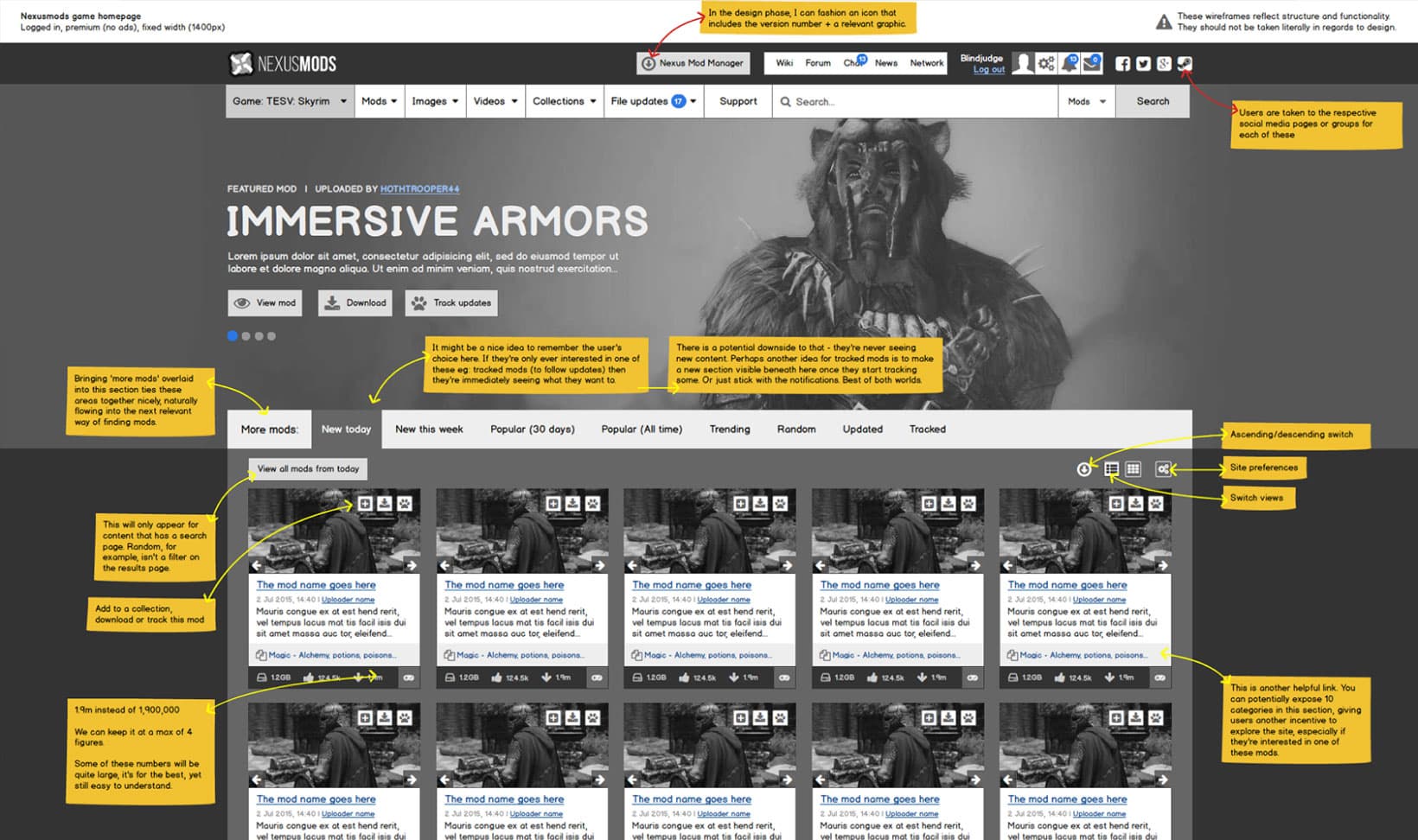
Case Study
Nexus Mods
In July 2015 I joined Nexus Mods, the biggest home of PC game modding, as Creative / Content Director. It had around eight million members, hundreds of thousands of mods and over a billion downloads, on a website that had not kept pace. I led the research and information architecture behind a full, responsive redesign and managed the designer who brought it to life. By the time I left in November 2017, membership had roughly doubled to about 16 million.
Case Study
WordGrid
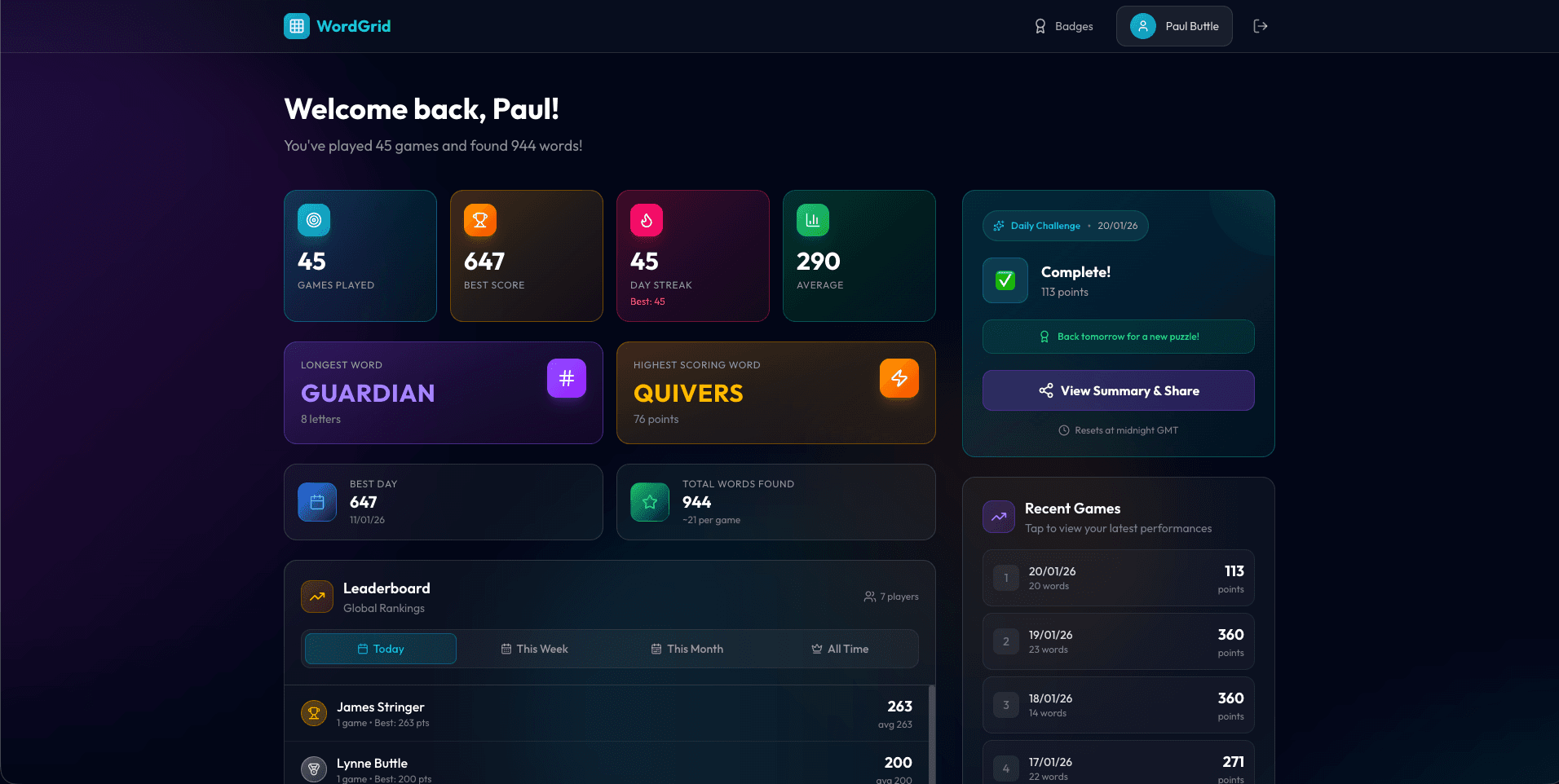
WordGrid is a daily, time-boxed word game where players build as many valid words as they can from a shared 4×4 letter grid in 3 minutes, earning points via Scrabble-style letter values plus length multipliers. It’s designed to be quick, competitive, and repeatable as a daily ritual, with features like a daily leaderboard, private leagues, and a personal stats dashboard.
Case Study
VGDB
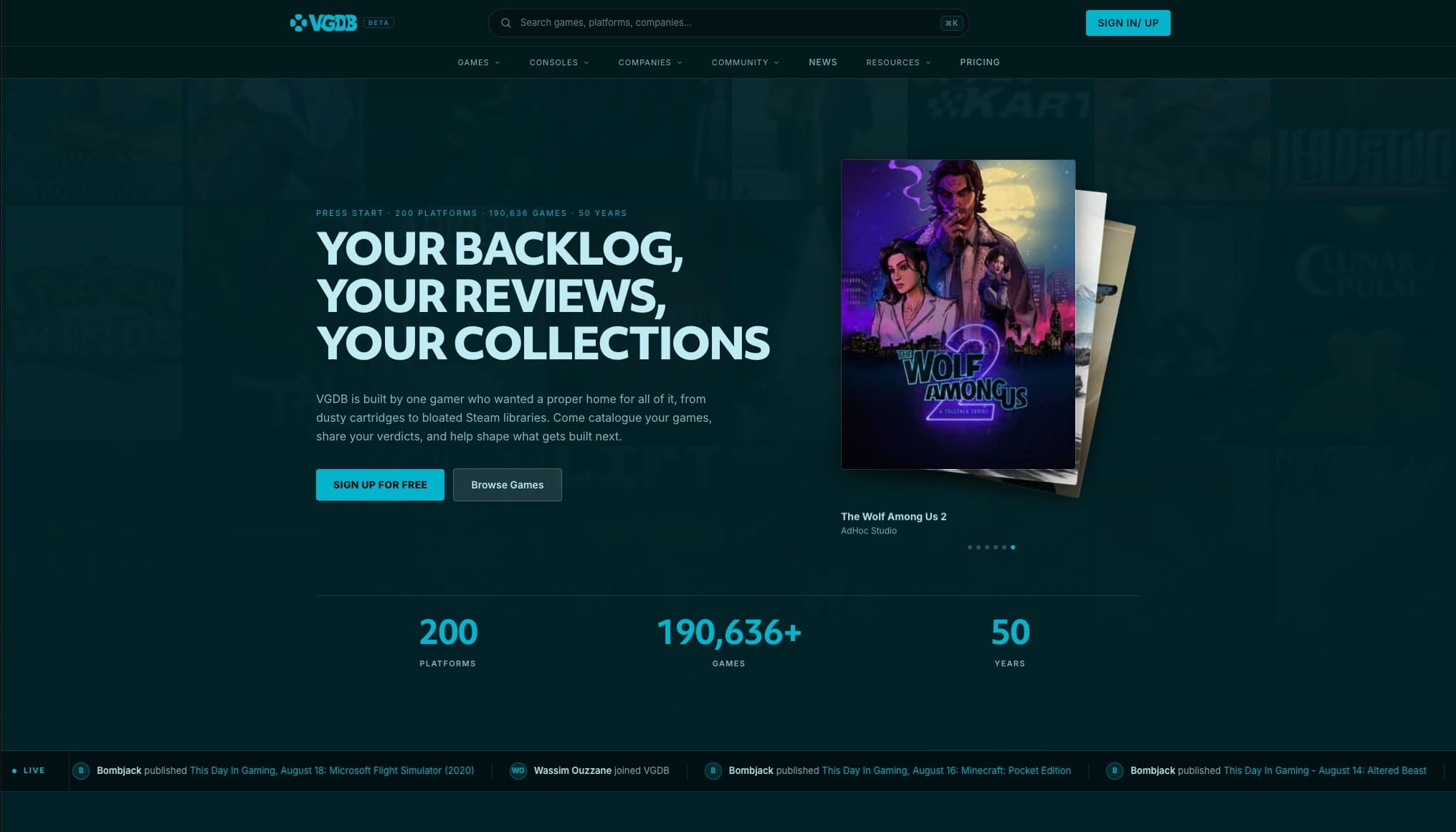
VGDB is a video game database with a community built on top of it, and it is my second attempt at the idea. The first, We The Players, taught me what the shape should be; VGDB is a complete, ground-up rewrite with no code reused. It catalogues around 200 platforms across 50 years, 190,000 games and 119,000 companies, then layers on ratings, rich-text reviews, ranked collections, screenshots, follows and comment threads. There is also a curated YouTuber and website directory, an aggregated news hub, and a small browser arcade. I designed and built all of it myself, web first, with an iOS app in progress, and it runs for about £50 a month.
Case Study
OpenFloor
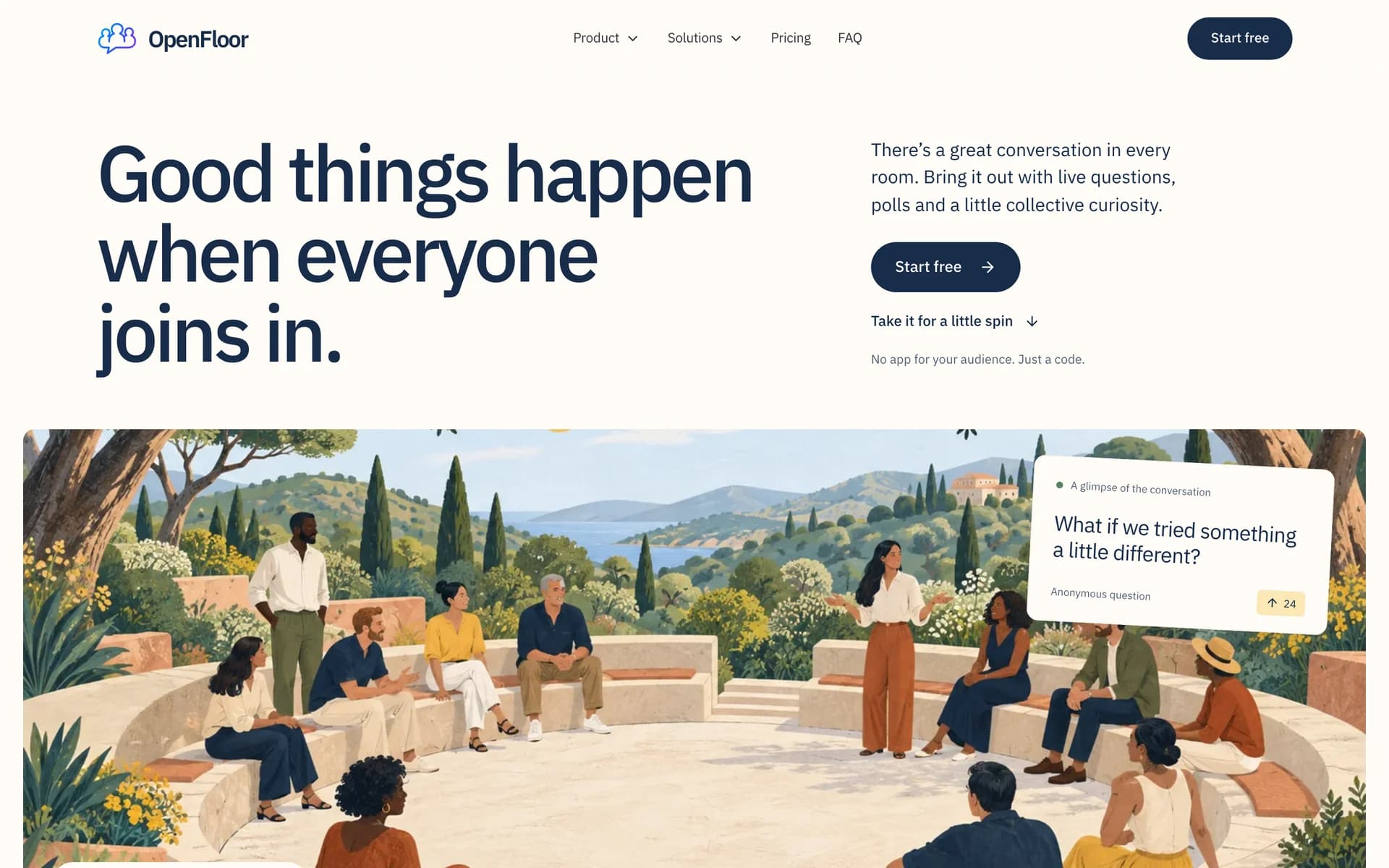
People do not ask the real question in a company meeting when their name is attached to it. The awkward one about restructuring, or the strategy nobody actually understands, simply stays unasked. I built OpenFloor so anyone can join with a six-character code, no account and no name, and ask it anyway. Anonymity for questions is built into the structure rather than promised: a question row stores no author, account or device identifier, so there is nothing for a host to look up, even with database access. Around that sit live voting, polls, word clouds, ratings, surveys, timed quizzes, a moderation queue and a projector display, all updating in real time.
Journal
All PostsDesign Systems Are Consuming the World (And That's Fine)
Whatever your relationship with design systems, here's the uncomfortable truth: they've gone from a nice organisational bonus to an absolute necessity. And if your team is still building products without one, you're essentially assembling IKEA furniture without the instructions. Except the instructions are also in Swedish. And someone's already lost three of the screws.
The UX of Video Games: What Product Designers Should Be Stealing
Product designers love to talk about onboarding flows, progressive disclosure, feedback loops, and user engagement. We attend conferences about it. We read books about it. We create elaborate Figma files documenting it. And yet, video games have been doing all of this, often brilliantly, since before most of us had email addresses. The games industry has been running the world's largest UX experiment for over forty years, and most product designers are barely paying attention.
Raising the Dead: Bringing a long-fallen platform back to life
A gaming platform that cost between £4,000 and £12,000 a month to host fell under its own weight. Years later, I started again from scratch as vgdb.co, with AI assistance and a radically simpler approach that costs about £50 a month. This is a resurrection story.