Selected Works
Work
Case Study
Nexus Mods
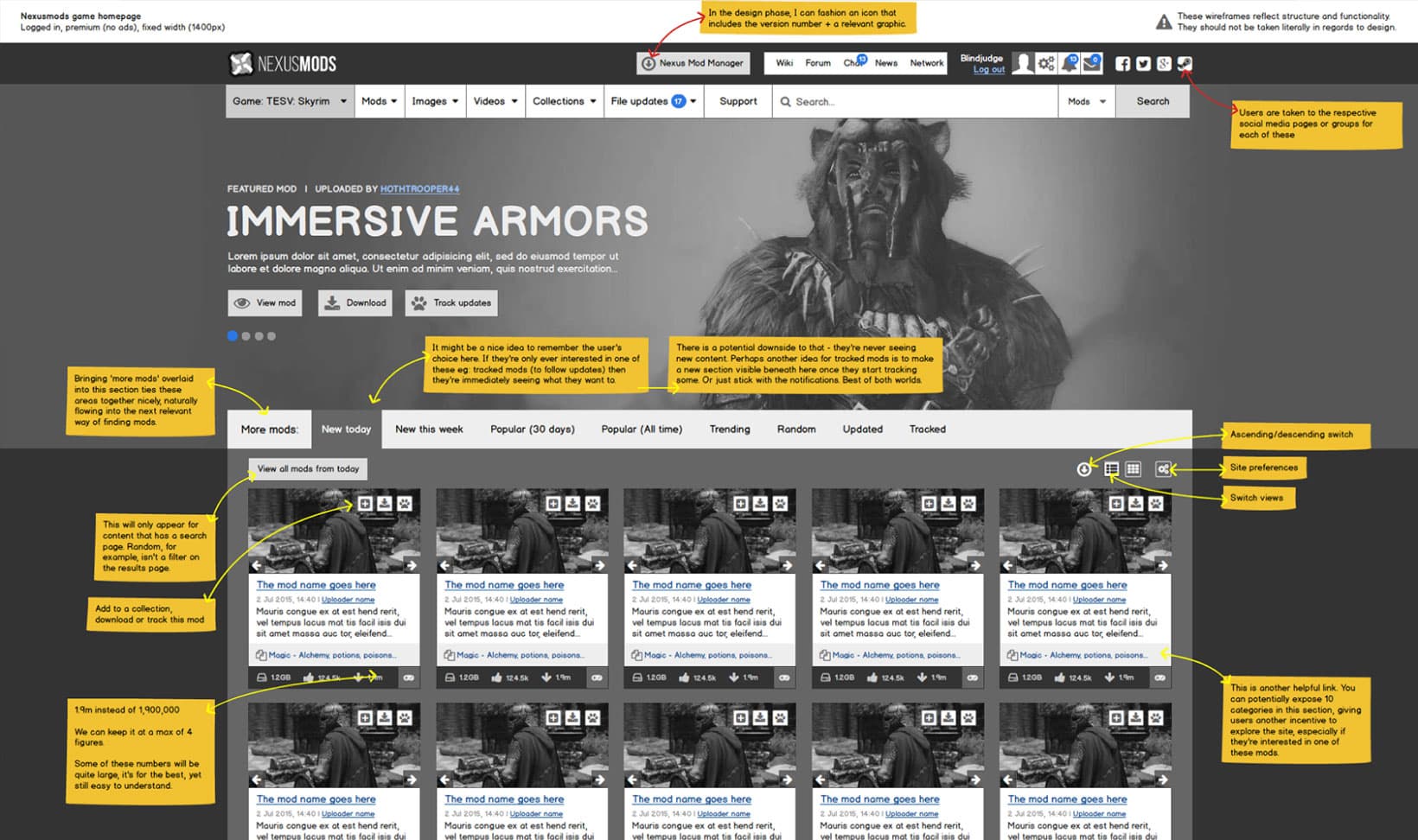
In July 2015 I joined Nexus Mods, the biggest home of PC game modding, as Creative / Content Director. It had around eight million members, hundreds of thousands of mods and over a billion downloads, on a website that had not kept pace. I led the research and information architecture behind a full, responsive redesign and managed the designer who brought it to life. By the time I left in November 2017, membership had roughly doubled to about 16 million.
Case Study
WordGrid
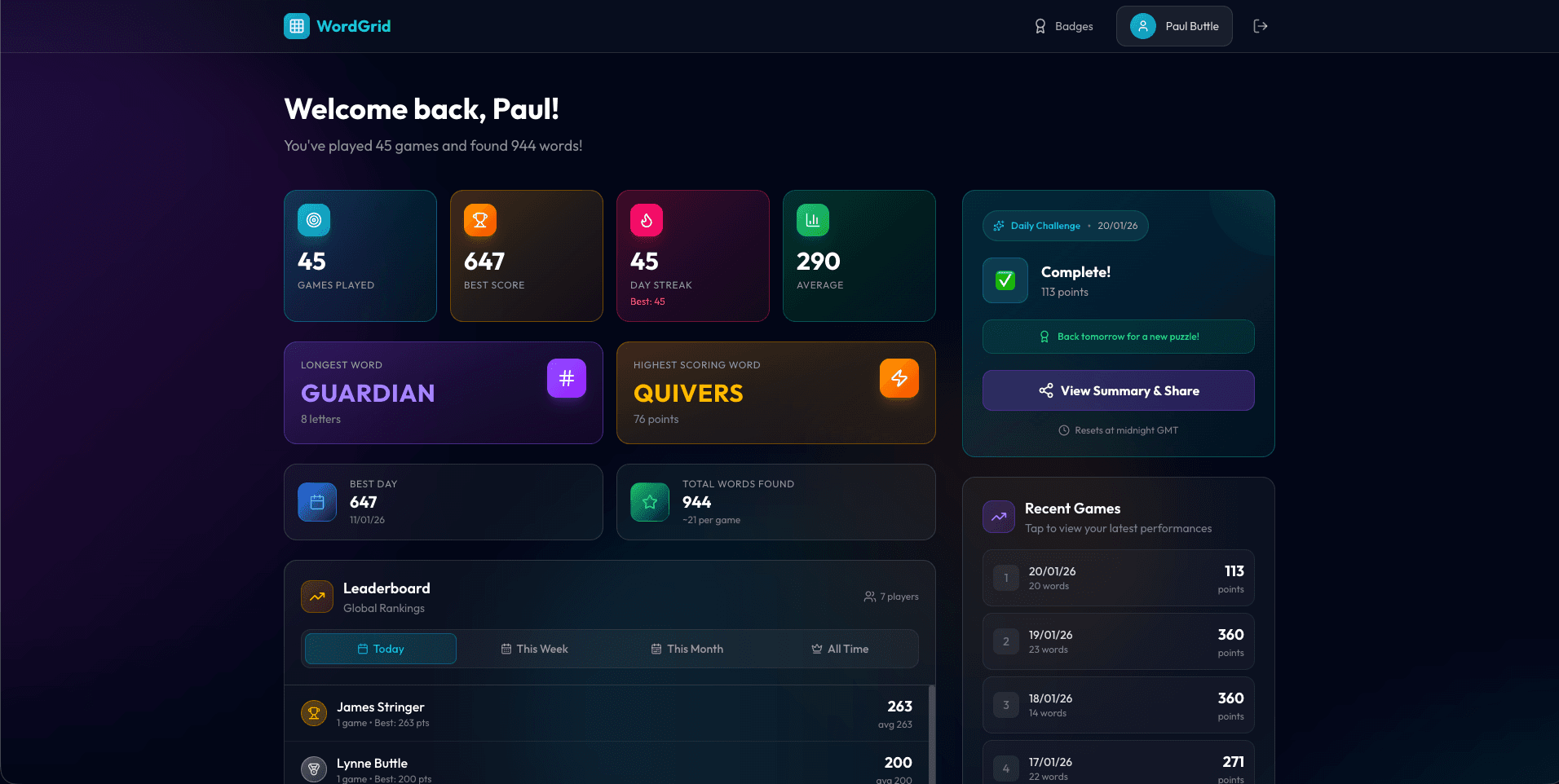
WordGrid is a daily, time-boxed word game where players build as many valid words as they can from a shared 4×4 letter grid in 3 minutes, earning points via Scrabble-style letter values plus length multipliers. It’s designed to be quick, competitive, and repeatable as a daily ritual, with features like a daily leaderboard, private leagues, and a personal stats dashboard.
Case Study
VGDB
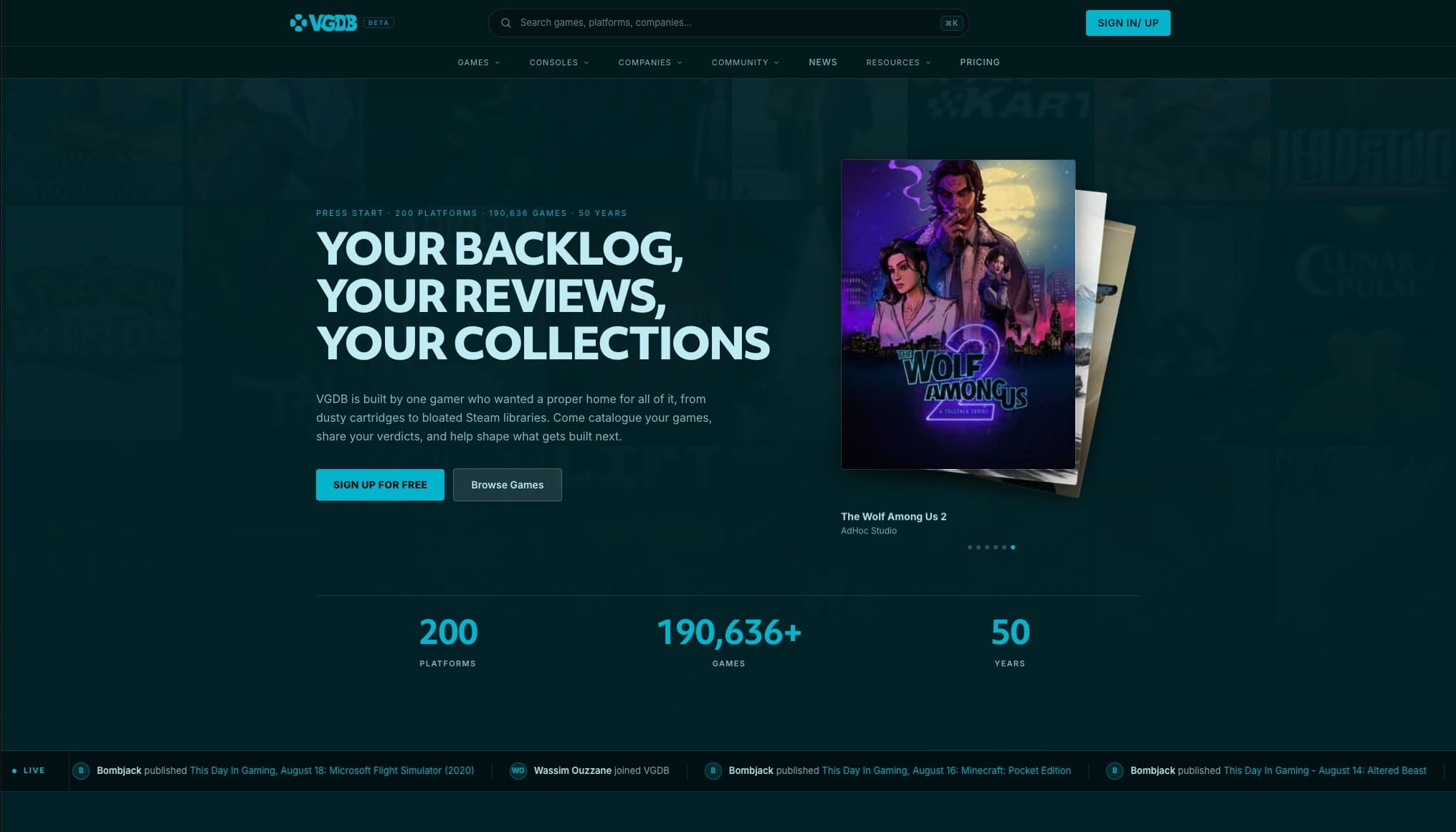
VGDB is a video game database with a community built on top of it, and it is my second attempt at the idea. The first, We The Players, taught me what the shape should be; VGDB is a complete, ground-up rewrite with no code reused. It catalogues around 200 platforms across 50 years, 190,000 games and 119,000 companies, then layers on ratings, rich-text reviews, ranked collections, screenshots, follows and comment threads. There is also a curated YouTuber and website directory, an aggregated news hub, and a small browser arcade. I designed and built all of it myself, web first, with an iOS app in progress, and it runs for about £50 a month.
Case Study
OpenFloor
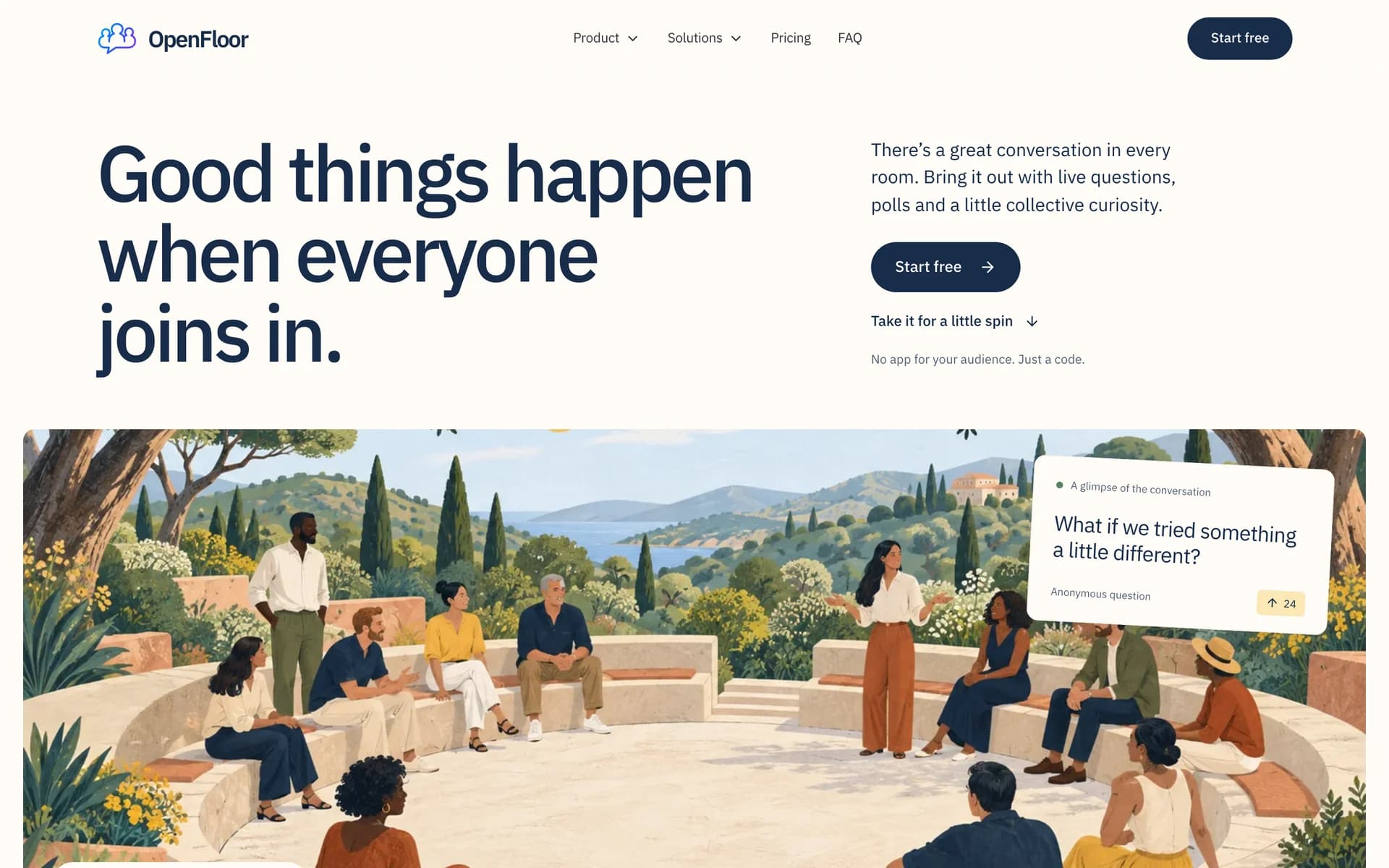
People do not ask the real question in a company meeting when their name is attached to it. The awkward one about restructuring, or the strategy nobody actually understands, simply stays unasked. I built OpenFloor so anyone can join with a six-character code, no account and no name, and ask it anyway. Anonymity for questions is built into the structure rather than promised: a question row stores no author, account or device identifier, so there is nothing for a host to look up, even with database access. Around that sit live voting, polls, word clouds, ratings, surveys, timed quizzes, a moderation queue and a projector display, all updating in real time.
Case Study
The Croissant Collective
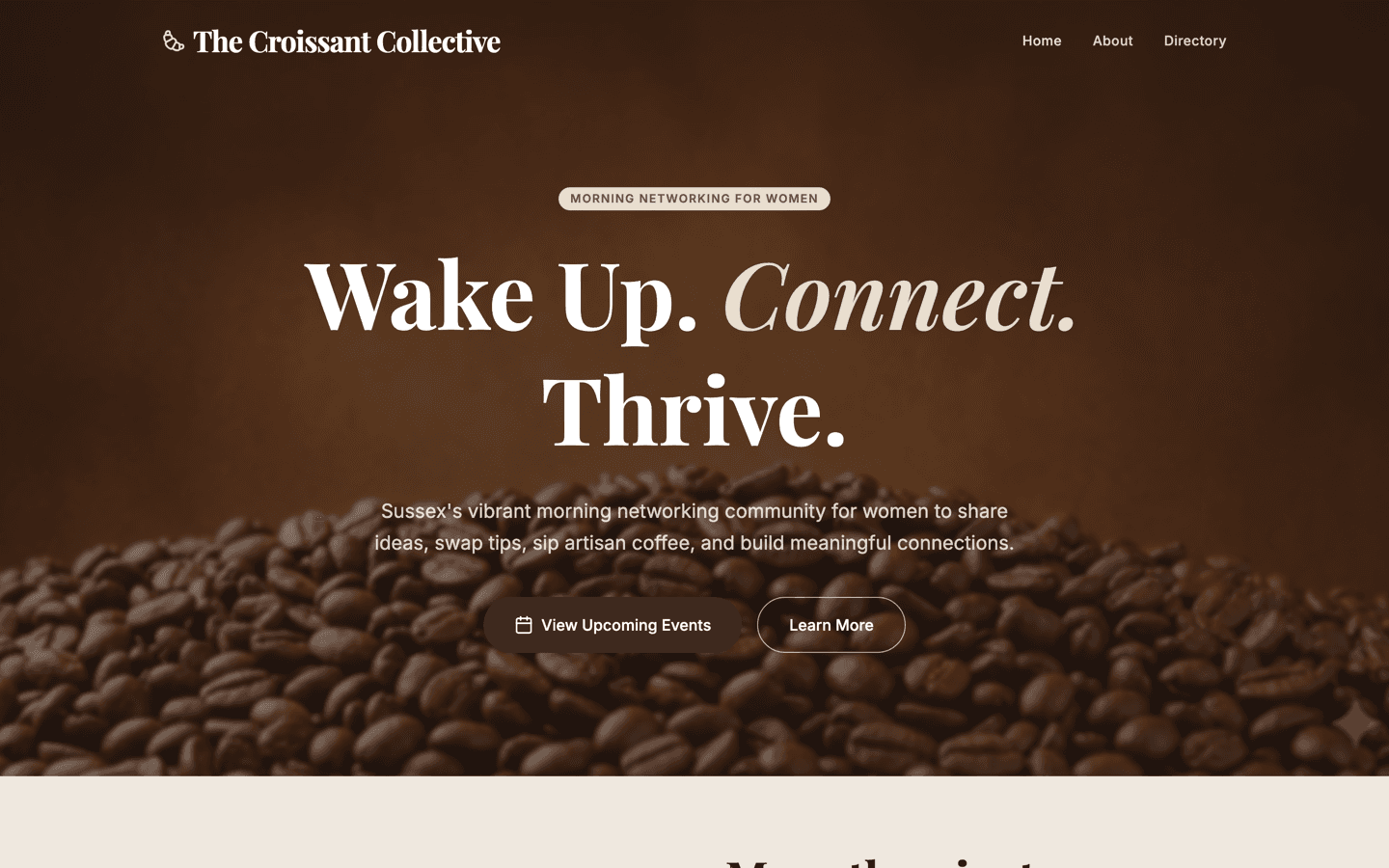
The Croissant Collective is a morning networking community for women in business across Sussex, and I designed and built its digital home for its founders, Natalie and Sophie. They wanted the opposite of stuffy corporate networking: coffee, pastries, real conversation, no hard sell. My job was to make that feeling legible online and hand them a product they could run entirely themselves. So I built a warm, editorial site with a live events calendar, capacity-aware RSVPs with automatic waitlisting, confirmation and reminder emails, a directory of member businesses, and an admin area, so nobody ever has to ring a developer just to add an event.
Case Study
We The Players
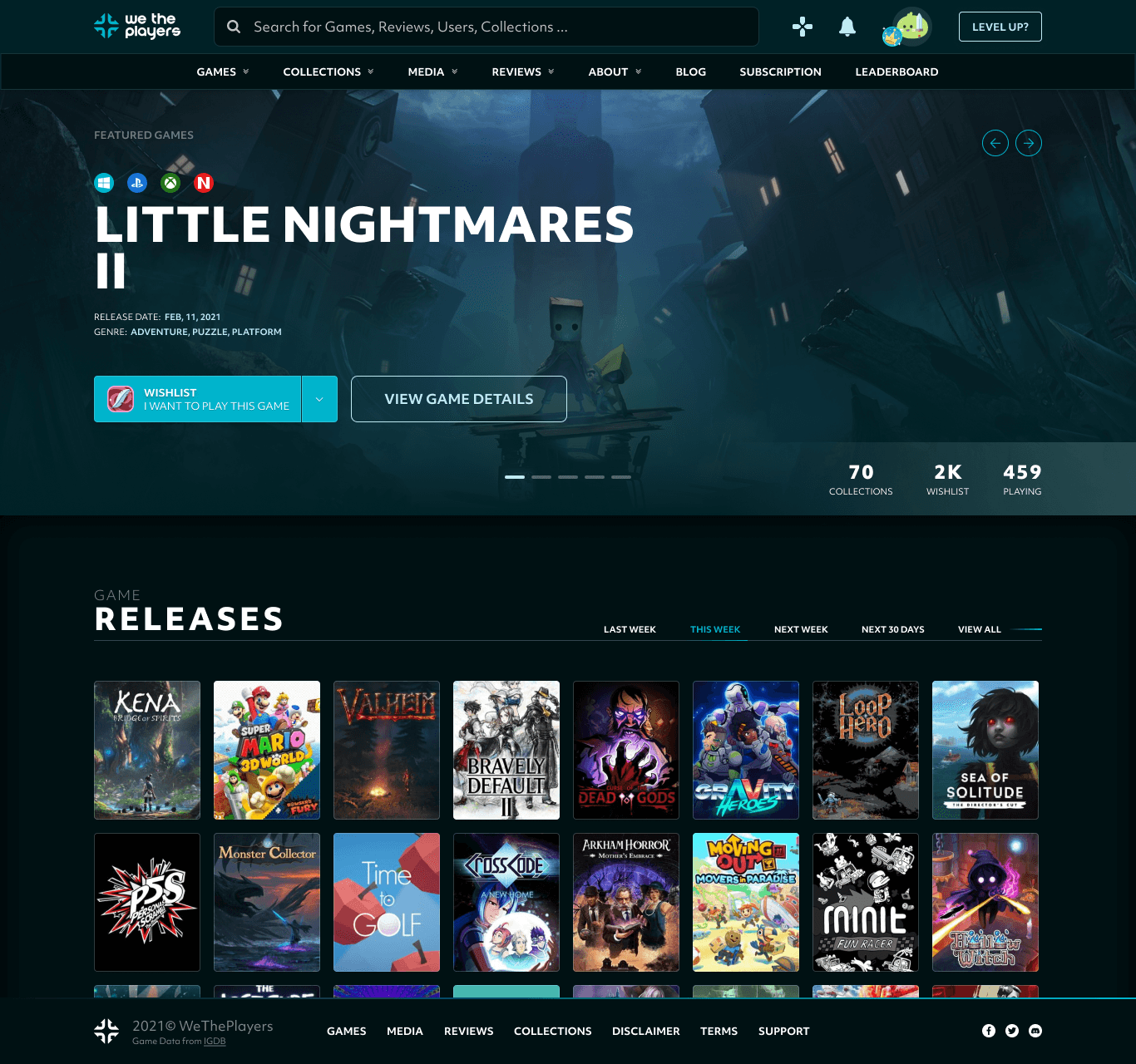
We The Players was a funded startup I founded in November 2018: a Letterboxd for games, where players could log, rate, review and collect what they play and find people who share their taste. Backed by me and a group of angel investors, it launched on an agency-built platform (AWS, Kafka, Flink, Elasticsearch and GraphQL API servers) and ran until 2023, when the running costs outgrew the business. This case study covers what we built and why, what closing it taught me, and how I later re-platformed the original product onto Supabase and Vite so it still runs today.
Case Study
BrewBundle
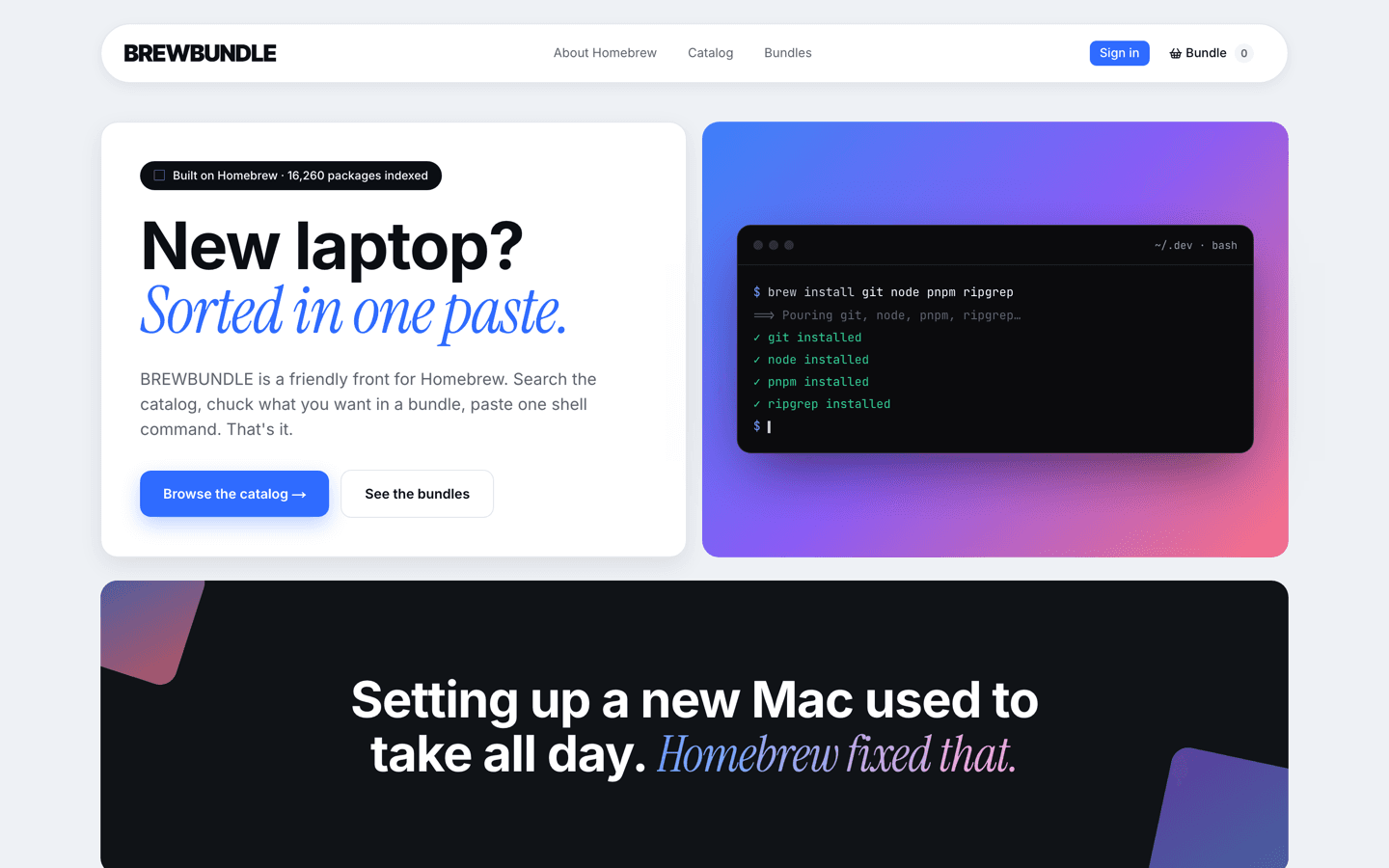
Setting up a new Mac is a day of tab-hunting, half-remembered tool names and installing one thing at a time. BrewBundle takes the hunting out of it. It pulls the entire Homebrew catalogue, over 16,000 formulae and casks, straight from the official API, sorts it into browsable categories and lets you search it instantly. You tick the packages you want into a basket that survives a refresh, and it compiles down to a single line you paste into Terminal. Sign in and you can save that bundle, name it and share it at a public URL so anyone can copy your setup. It is free, and nothing is piped from my server.
Case Study
Lemonade & Co
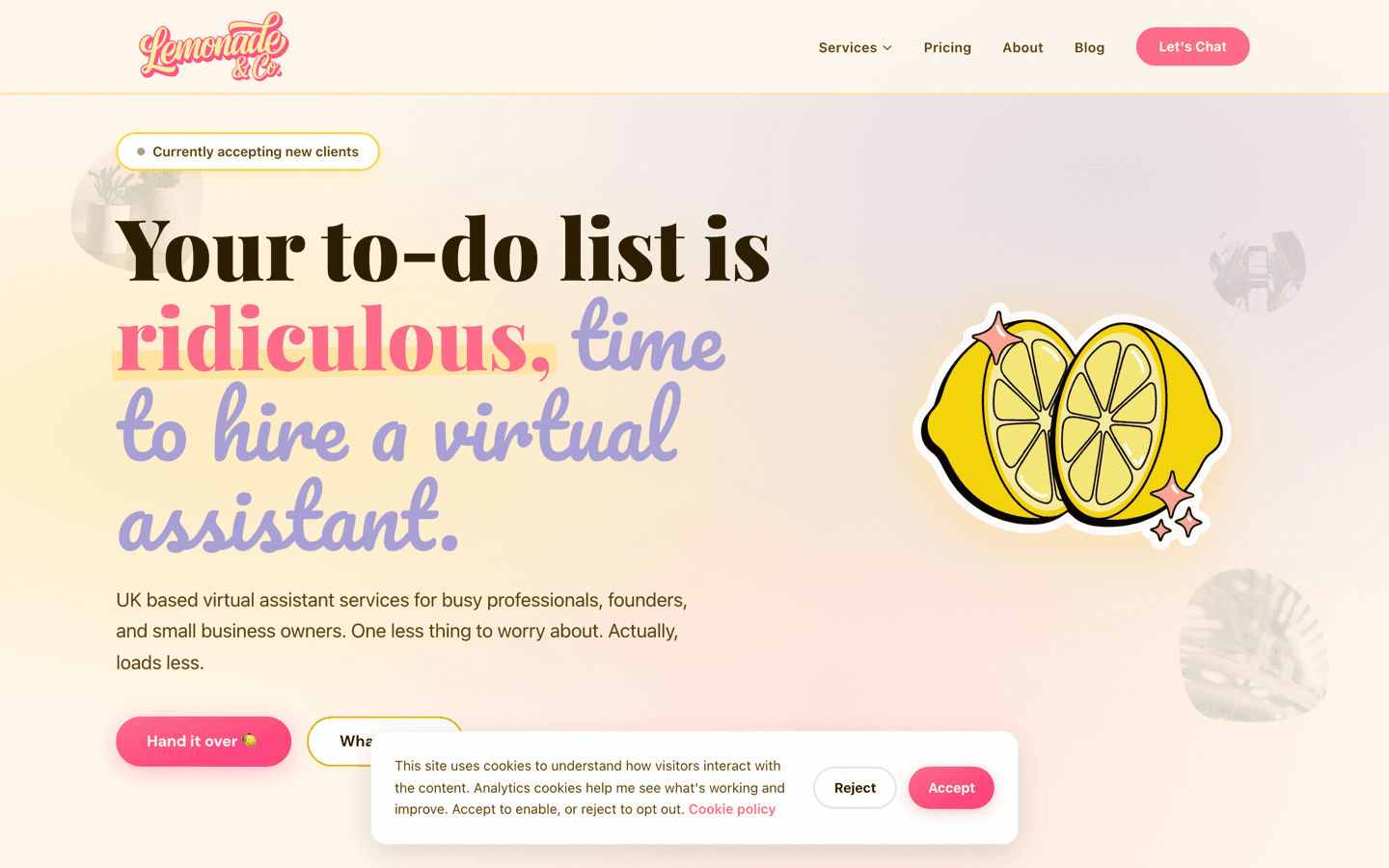
Lemonade & Co is a virtual assistant business in West Sussex, and the brand belongs to its founder, Natalie, my fiancée. She designed it: the lemon motif, the cream and coral palette, the Playfair and Pacifico pairing, the whole cheerful, slightly hand-drawn feel. My job was to build it without quietly turning it into something a developer would have made instead. I shipped a Next.js site with fourteen service pages, three pricing ladders, a booking and enquiry flow, consent-gated analytics, and a blog that Natalie writes and publishes herself. Her design, realised, with none of the odd bits sanded off.
Case Study
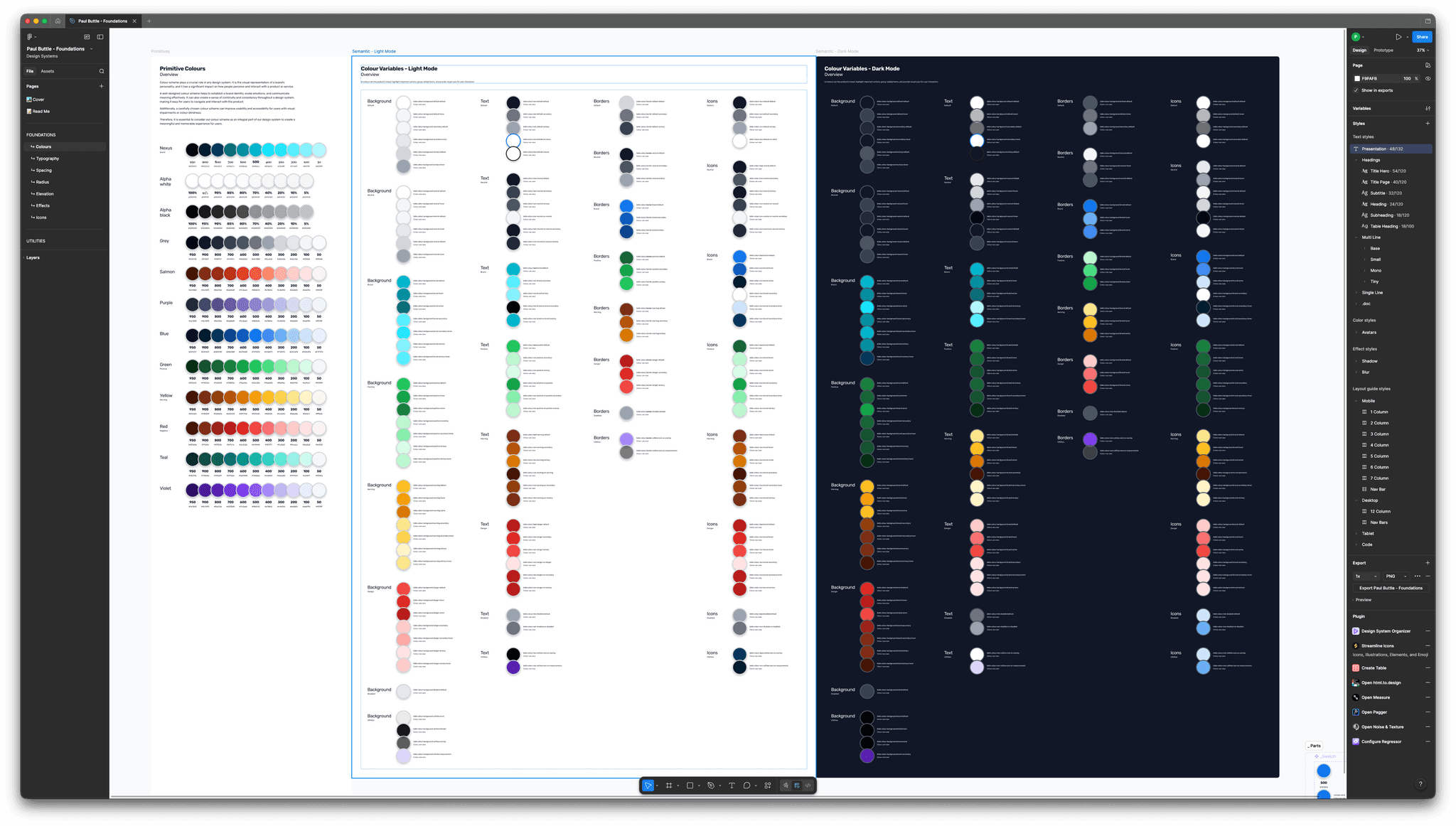
Personal Design System: Foundations
Foundations is my personal, variable-first design system in Figma. Colour, typography, radius, elevation and icons all run through two tiers of variables, primitive and semantic, with light and dark modes and strict scoping. When a new project arrives with a new brand, I remap a handful of values rather than rebuilding components, which in my experience turns days of manual updates into minutes.